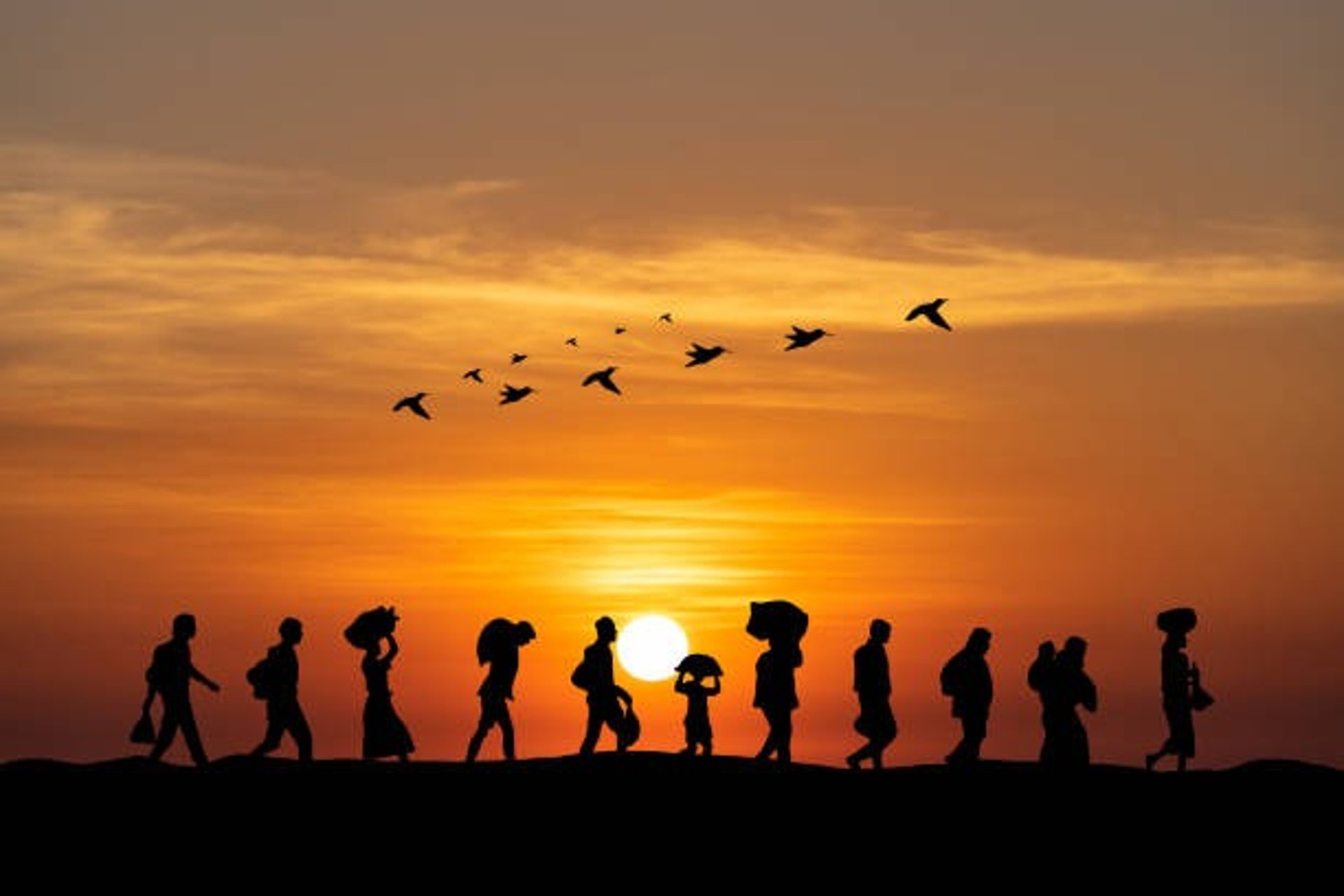
Beyond Borders Refuge: is a platform dedicated to amplifying refugee voices, sharing their stories, and fostering solidarity. Explore real experiences, raise awareness, and be part of the change!
What Are We Missing When We Talk About Refugees?
When refugees are discussed, the conversation often revolves around numbers, budgets, and political narratives. How many people arrived, how much it costs, whether the system can “handle the burden.” In these debates, I often feel that the most essential element is overlooked: being a refugee is not a choice, but a necessity. People do not leave their homes, languages, and pasts because they want to, but because they no longer have any alternative. Today, millions of refugees in Europe live under conditions of legal uncertainty. Temporary protection statuses, lengthy asylum procedures, and restricted rights keep people in a prolonged state of waiting. From my perspective, this situation creates not only economic vulnerability, but also deep psychological and social consequences. Even when refugees want to work, contribute, and participate in society, the system frequently prevents them from doing so. I also notice that refugees are often portrayed in two extreme ways: either as invisible victims or as potential threats. Reality, however, is much quieter and more ordinary. Most refugees seek safety, access to education for their children, and the possibility of living with dignity. Nothing more, nothing less. Yet current policies often turn even these basic aspirations into distant goals. In recent years, the tightening of border controls, pushback practices, and the closure of safe migration routes have led to an increasing number of deaths. These measures are usually justified through discourses of “security” and “control,” but from a human rights perspective, they raise serious concerns. Managing migration should not mean stripping people of their humanity. For this reason, I believe we need to change the way we speak about refugees. Instead of framing them solely as victims or risks, we must recognize them as agents with voices, rights, and lived experiences. The issue at stake is not only the future of refugees, but also the kind of society we choose to become. Discussions on refugee policies should therefore not be centered on profit, utility, or efficiency, but on rights, justice, and human dignity. Otherwise, what appears to be a solution may simply become another form of injustice.
1/14/20261 min read


Gönderi içeriğim